Diddy Male Victims: Unraveling the Shadows of Fame
 Liam Parker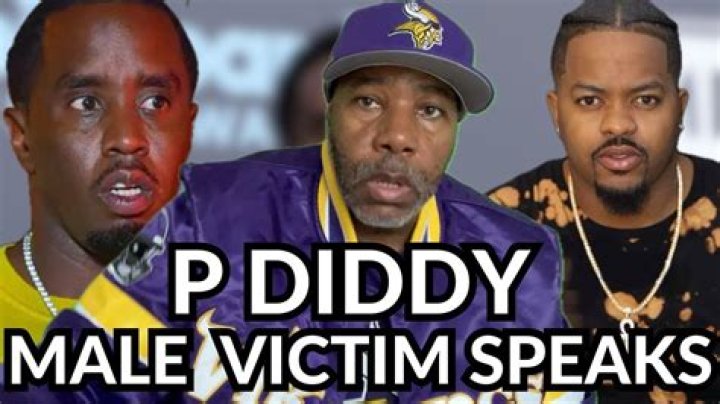
In the glitzy world of fame and fortune, the stories behind the spotlight often remain untold, hidden beneath layers of glamour and success. The narrative surrounding Diddy, a prominent figure in the music industry, has garnered attention for various reasons, but one unsettling aspect is the alleged experiences of male victims who have crossed paths with him. This article seeks to explore the complexities of these allegations, shedding light on the voices of those who claim to have faced troubling encounters. As we delve into the world of Diddy and his male victims, we aim to provide a balanced perspective that respects the gravity of the situation and the individuals involved.
Many individuals might be familiar with Diddy, the music mogul known for his talent, business acumen, and high-profile relationships. However, the darker side of his legacy has come to the forefront, raising questions about accountability and the treatment of those who feel victimized. The accounts of male victims are not only stories of personal hardship but also reflections of broader societal issues regarding power dynamics and the treatment of men in vulnerable positions. This exploration is crucial in understanding not just the individual experiences but also the implications for the music industry as a whole.
As we navigate through the testimonies and narratives of Diddy’s male victims, it is essential to approach the subject with sensitivity and an open mind. Each story reveals a unique perspective, and together they weave a complex tapestry of fame, power, and the consequences of crossing boundaries. Through interviews, personal accounts, and media reports, we aim to highlight the voices that have often been silenced, bringing to light the stories behind the headlines.
Who is Diddy? A Brief Biography
Sean Combs, widely known as Diddy, Puff Daddy, or P. Diddy, is an American rapper, record producer, and entrepreneur. Born on November 4, 1969, in Harlem, New York City, he has made significant contributions to the music industry, particularly in hip-hop and R&B. Diddy founded Bad Boy Records in 1993, launching the careers of several successful artists and creating a massive brand around his persona. Over the years, he has garnered numerous awards and accolades, making him one of the most influential figures in the entertainment industry.
| Personal Details | Bio Data |
|---|---|
| Name | Sean Combs |
| Date of Birth | November 4, 1969 |
| Place of Birth | Harlem, New York City, USA |
| Occupation | Rapper, Producer, Entrepreneur |
| Famous For | Bad Boy Records, Hit Albums, Fashion Lines |
What Allegations Have Been Made Against Diddy?
Throughout his career, Diddy has faced various allegations, but the focus on male victims has recently come to light. These claims range from inappropriate behavior to more serious accusations of abuse. The complexity of these allegations often leaves many questioning the extent of responsibility that should fall on a figure of Diddy's stature. Understanding the nature of these claims is essential in addressing the broader implications they hold.
Who Are the Male Victims?
The male victims of Diddy are individuals from various backgrounds and experiences. Some have come forward publicly, while others remain anonymous due to the sensitive nature of their allegations. Their stories often reveal a pattern of behavior that raises concerns about the power dynamics at play in the entertainment industry. By amplifying these voices, we can begin to understand the impact of fame on personal lives and the consequences of unchecked power.
How Has the Music Industry Reacted to These Allegations?
The reaction from the music industry regarding allegations against Diddy has been mixed. Some artists and industry figures have expressed solidarity with the victims, while others have remained silent. This dichotomy highlights the challenges faced by those who come forward with accusations, especially in an industry that often prioritizes reputation over accountability. The need for a cultural shift within the industry is paramount to ensure that such allegations are taken seriously and addressed appropriately.
What Can Be Done to Support Male Victims?
Supporting male victims of abuse is crucial in creating a culture where individuals feel safe to speak out. Here are some steps that can be taken to provide support:
- Establish Safe Spaces: Create environments where victims can share their experiences without fear of judgment or retaliation.
- Raise Awareness: Educate the public about the unique challenges male victims face and the importance of believing and supporting them.
- Encourage Open Dialogue: Foster conversations around masculinity, vulnerability, and the stigma surrounding male victimhood.
- Support Networks: Develop support networks for male victims, including counseling services and peer support groups.
Why Is It Important to Address These Issues?
Addressing the issues surrounding Diddy and his male victims is essential for several reasons. Firstly, it highlights the need for accountability in the entertainment industry, ensuring that power is not abused. Secondly, it encourages a broader conversation about masculinity and victimhood, challenging societal norms that often silence male victims. Finally, it fosters an environment where all victims, regardless of gender, feel empowered to share their stories and seek justice.
What Does the Future Hold for Diddy and His Male Victims?
The future for Diddy and the male victims who have come forward remains uncertain. While some victims may find closure and justice, others may continue to struggle with their experiences. As the conversation around these allegations evolves, it is vital for society to remain vigilant and supportive of those who speak out against abuse. The impact of these allegations may also lead to significant changes within the industry, promoting a more respectful and accountable environment for all artists.
Conclusion: Shedding Light on a Dark Topic
The stories of Diddy’s male victims are a stark reminder of the complexities surrounding fame, power, and accountability. By bringing these narratives to the forefront, we can better understand the challenges faced by those who have been victimized and work towards a more inclusive and supportive society. The path to healing and justice is often fraught with difficulty, but it is essential to ensure that the voices of all victims are heard and respected. As we continue to navigate these conversations, let us strive for a future where everyone, regardless of gender, feels empowered to share their stories and seek justice.