Discover the Nutritional Treasure: Oxtail Benefits
 Ava Hall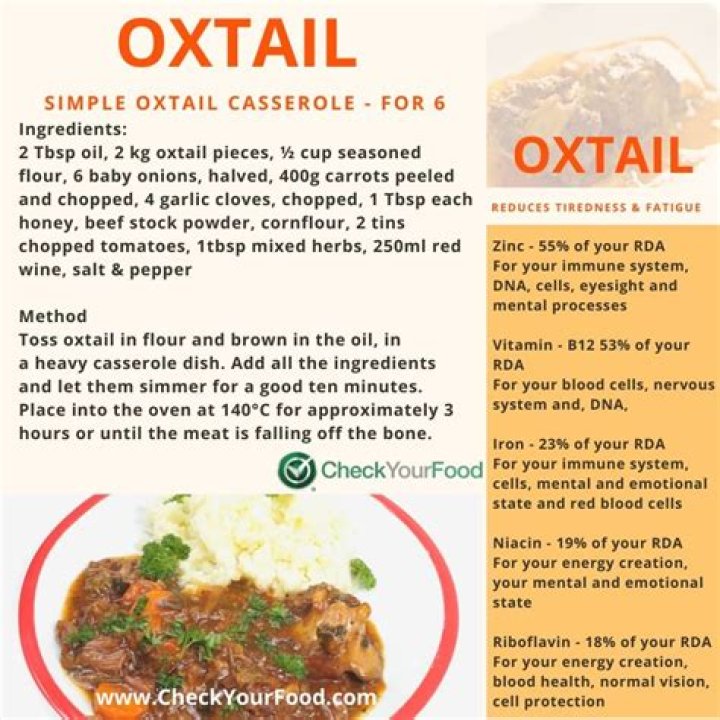
Oxtail has gained significant popularity as a culinary delight, not only for its rich flavor but also for its impressive health benefits. This unique cut of meat, derived from the tail of cattle, is often overlooked in modern diets, but it deserves a prominent place on our tables. Oxtail is a versatile ingredient that can be transformed into hearty stews, soups, and braised dishes, making it a staple in various cuisines around the world. As we explore the oxtail benefits, we will uncover how this humble ingredient can elevate your meals and provide essential nutrients that contribute to overall health. From collagen to essential vitamins and minerals, oxtail is packed with nutritional goodness that can enhance your well-being.
In recent years, there has been a growing interest in traditional cooking methods and the use of whole animal parts, which has reignited the spotlight on oxtail. Many chefs and home cooks alike are embracing this cut for its unique flavor profile and the depth it adds to various dishes. Beyond its culinary appeal, the oxtail benefits extend to health, offering various advantages that make it worth incorporating into your diet.
As we delve deeper into the world of oxtail, we will answer common questions about its nutritional value, cooking methods, and how it fits into a balanced diet. Whether you're a seasoned chef or a culinary novice, the following information will help you appreciate the oxtail benefits and inspire you to include this nourishing ingredient in your meals.
What Nutritional Value Does Oxtail Offer?
Oxtail is not just a delicious ingredient; it is also a powerhouse of nutrients. Here are some of the key nutritional benefits of oxtail:
- Rich in collagen: Oxtail is known for its high collagen content, which is essential for maintaining healthy skin, joints, and connective tissues.
- Source of protein: This cut provides a significant amount of protein, which is crucial for muscle repair and growth.
- Vitamins and minerals: Oxtail is a good source of various vitamins and minerals, including iron, zinc, and B vitamins, which are vital for various bodily functions.
- Healthy fats: The fat content in oxtail contributes to its flavor and can provide energy, especially when consumed in moderation.
How Can Oxtail Be Cooked for Maximum Flavor?
Cooking oxtail requires some patience, but the results are well worth the wait. Here are some popular cooking methods that enhance the flavor of oxtail:
- Slow cooking: This method allows the collagen in the oxtail to break down, resulting in tender meat and a rich, flavorful broth.
- Braised: Braising oxtail with aromatic vegetables and spices creates a complex flavor profile that can elevate any dish.
- Grilled: Marinating oxtail and grilling it can add a smoky flavor while keeping the meat juicy.
- Stewing: Oxtail stews are a classic comfort food, combining tender meat with hearty vegetables and spices.
What Are the Health Benefits of Consuming Oxtail?
The oxtail benefits extend beyond taste; it can also contribute positively to your health. Here are some noteworthy health benefits:
- Joint health: The collagen in oxtail can help support joint health and reduce the risk of joint-related issues.
- Skin health: Regular consumption of collagen-rich foods like oxtail may improve skin elasticity and hydration.
- Bone health: Oxtail contains minerals like calcium and phosphorus, which are essential for maintaining strong bones.
- Immune support: Nutrients found in oxtail, such as zinc, can help bolster the immune system.
Can Oxtail Fit into a Balanced Diet?
Oxtail can certainly be part of a balanced diet, provided it is consumed in moderation. Here are some tips for incorporating oxtail into your meals:
- Pair with vegetables: Combining oxtail with a variety of vegetables can enhance the nutritional content of your meal.
- Control portion sizes: As oxtail is higher in fat, it's important to control portion sizes to maintain a balanced intake.
- Explore different cuisines: Oxtail is used in various cuisines, so try different recipes to keep your meals interesting.
Are There Any Concerns When Eating Oxtail?
While oxtail offers numerous benefits, there are some considerations to keep in mind:
- Fat content: Oxtail is higher in fat than other cuts of meat, so it should be consumed in moderation, especially for those watching their fat intake.
- Allergies: Individuals with beef allergies should avoid consuming oxtail.
- Cooking time: Oxtail requires longer cooking times to become tender, which may not suit everyone's schedule.
What Are Some Delicious Oxtail Recipes to Try?
If you're inspired to try cooking with oxtail, here are a few delicious recipes to consider:
- Oxtail Stew: A hearty stew made with vegetables and spices that highlights the rich flavor of oxtail.
- Braised Oxtail: Slow-cooked oxtail in a savory sauce, perfect for serving over rice or mashed potatoes.
- Oxtail Soup: A comforting soup that combines tender oxtail with vegetables and aromatic herbs.
- Grilled Oxtail: Marinated and grilled oxtail that brings a smoky flavor to your barbecue.
Conclusion: Why You Should Consider Oxtail in Your Diet?
The oxtail benefits are undeniable, from its rich flavor to its nutritional value. This versatile cut of meat offers a unique culinary experience while providing essential nutrients that promote health and well-being. By incorporating oxtail into your meals, you not only explore new flavors but also enjoy the numerous health advantages it has to offer. Whether you decide to make a comforting stew or try your hand at grilling, oxtail is a delicious and nutritious addition to any diet.