Easter Island: The Mysteries of Rapa Nui
 Michael King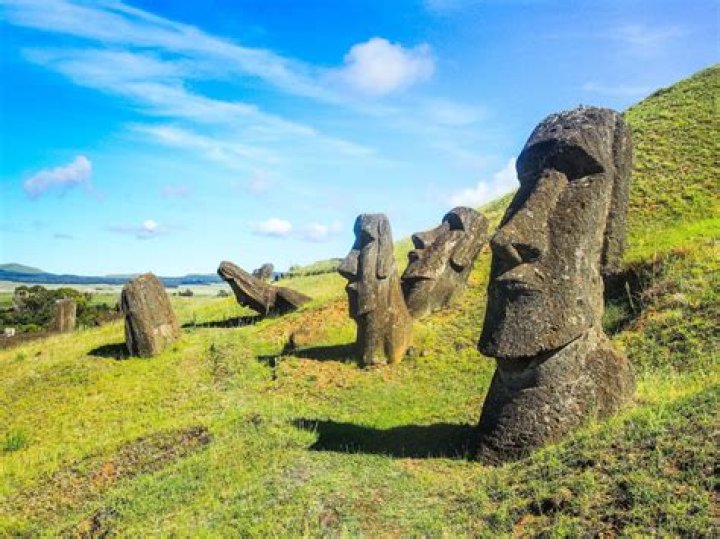
Easter Island, also known as Rapa Nui, is one of the most isolated inhabited islands in the world, located in the southeastern Pacific Ocean. Famous for its enigmatic moai statues, this remote land is a treasure trove of history, culture, and breathtaking natural beauty. As you step foot on this unique island, you are greeted by a landscape that tells a story of human achievement and environmental challenges, inviting you to explore its rich past and vibrant traditions.
The island is a UNESCO World Heritage Site, and its inhabitants have a deep connection to the land, reflected in their customs, rituals, and the legendary tales that have been passed down through generations. The moai, which were created by the Rapa Nui people, stand as a testament to their artistic prowess and spiritual beliefs. Each statue embodies the spirit of an ancestor, showcasing the islanders' devotion to their heritage and culture.
Despite its remote location, Easter Island has captured the imagination of travelers and researchers alike. The island's remote nature has led to numerous theories regarding its discovery, settlement, and the eventual decline of its civilization. As we delve into the many facets of Easter Island, we will uncover the mysteries that lie within its landscapes and the stories of the people who have called it home.
What is the History of Easter Island?
Easter Island's history is as captivating as its landscapes. The island was first settled by Polynesian navigators around 1200 AD. These early inhabitants brought with them their customs, language, and agricultural practices, establishing a thriving community. Over the centuries, the Rapa Nui people sculpted the iconic moai statues, which were believed to be representations of their ancestors. These monumental sculptures, carved from volcanic rock, were placed on stone platforms called ahu, which served as ceremonial sites.
How Did the Moai Statues Impact the Culture of Easter Island?
The moai statues are more than just impressive artworks; they are deeply woven into the cultural fabric of Easter Island. They symbolize the islanders' connection to their ancestry and the spiritual beliefs that guided their lives. The construction and transportation of these statues required a collective effort from the community, fostering a strong sense of unity and cooperation among the Rapa Nui people.
- The moai were believed to embody the spirits of deceased ancestors.
- Statue construction was a communal activity, enhancing social bonds.
- Each moai was positioned to face inland, watching over the communities.
What Were the Environmental Challenges Faced by Easter Island?
The story of Easter Island is also one of environmental challenges. Deforestation played a significant role in the island's decline. As the population grew, more trees were cut down for construction, fuel, and agricultural expansion. This led to soil erosion, loss of biodiversity, and eventually, a collapse of the agricultural system. By the 19th century, the Rapa Nui population had significantly decreased, exacerbated by European colonization and the introduction of diseases.
What Can We Learn from Easter Island's History?
The history of Easter Island serves as a poignant reminder of the delicate balance between human activity and environmental sustainability. The island's downfall illustrates the consequences of overexploitation of natural resources and emphasizes the importance of conservation efforts. Today, researchers and conservationists are working together to restore the island's ecosystems and protect its cultural heritage for future generations.
Why Is Easter Island a UNESCO World Heritage Site?
Easter Island was designated a UNESCO World Heritage Site in 1995 due to its unique cultural and natural significance. The island's moai statues, archaeological sites, and rich biodiversity contribute to its status as a site of global importance. Conservation efforts are crucial to preserving the island's heritage, ensuring that future generations can appreciate its beauty and learn from its history.
What Are the Key Attractions on Easter Island?
Easter Island offers a variety of attractions for visitors seeking to experience its rich history and stunning landscapes. Some of the must-see sites include:
- The Moai Statues: Visit the iconic moai scattered across the island, including the impressive Ahu Tongariki, which features 15 restored statues.
- Rano Raraku: Explore the quarry where the moai were carved, offering insight into the ancient techniques used by the Rapa Nui people.
- Orongo: Discover the ceremonial village of Orongo, known for its petroglyphs and the Birdman cult, which played a significant role in the island's history.
- Akivi: Admire the seven moai of Ahu Akivi, which are unique for facing the ocean, symbolizing the connection between the land and the sea.
How Can You Experience Easter Island's Culture?
To fully immerse yourself in the culture of Easter Island, consider participating in local festivals and cultural events. The Tapati Rapa Nui festival, held annually in February, celebrates the island's heritage through traditional music, dance, and competitions. Engaging with local artisans and learning about their crafts can also provide deeper insight into the island's cultural practices.
What Is the Future of Easter Island?
The future of Easter Island lies in sustainable development and conservation efforts. By balancing tourism with the preservation of its cultural and natural resources, the island can thrive while honoring its past. Collaborative efforts between the Rapa Nui community, government, and international organizations are essential to ensuring that Easter Island remains a vibrant testament to human resilience and creativity.
In conclusion, Easter Island is a remarkable destination that offers a unique blend of history, culture, and natural beauty. As we explore the stories and mysteries of Rapa Nui, we are reminded of the lessons learned from its past and the importance of protecting our planet for future generations.