Exploring the Depths of Moody Blues: A Comprehensive Guide
 Dylan Hughes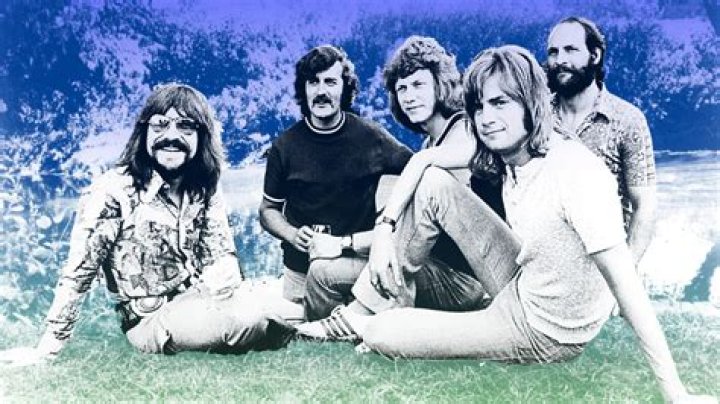
The Moody Blues are an iconic British rock band that has left an indelible mark on the world of music. Their unique sound and poetic lyrics have captivated audiences for decades, making them one of the most influential bands in rock history. If you're a fan of progressive rock or simply appreciate timeless music, this article will take you on a journey through the band's remarkable career and legacy.
Formed in the early 1960s, the Moody Blues have evolved from a rhythm and blues ensemble to pioneers of symphonic rock. Their innovative approach to music and willingness to experiment have set them apart from their contemporaries. This article delves deep into their history, discography, and impact on the music industry.
Join us as we explore the band's evolution, their most celebrated albums, and the cultural influence they've had over the years. Whether you're a long-time fan or new to their music, you'll discover fascinating insights into what makes the Moody Blues a musical phenomenon.
Band Biography
The Moody Blues are a legendary rock band that originated in Birmingham, England. Known for their lush orchestral arrangements and introspective lyrics, they have become synonymous with the progressive rock genre. Below is a summary of the band's key members:
| Name | Role | Years Active |
|---|---|---|
| Justin Hayward | Guitarist, Singer | 1966–present |
| Ray Thomas | Flautist, Singer | 1964–2002 |
| John Lodge | Bassist, Singer | 1966–present |
| Graeme Edge | Drummer, Poet | 1964–2021 |
| Mike Pinder | Keyboardist, Singer | 1964–1978 |
Early Years
The band's origins trace back to the early 1960s when they started as a rhythm and blues group. Initially called the Krew Cats, they underwent several name changes before settling on the Moody Blues. Their early performances were characterized by a raw energy and a focus on blues standards.
Key Influences
During this period, the band drew inspiration from blues legends such as Muddy Waters and Howlin' Wolf. They also experimented with various musical styles, which laid the foundation for their later success.
- Blues Roots: The Moody Blues began as a rhythm and blues band.
- Experimentation: Early experimentation with different genres.
- Live Performances: Gained popularity through energetic live shows.
Formation and Early Success
The band officially formed in 1964 with the lineup of Mike Pinder, Ray Thomas, Clint Warwick, Denny Laine, and Graeme Edge. Their debut single, "Go Now," became an instant hit, reaching number one on the UK charts. This early success set the stage for their future endeavors.
Debut Single
"Go Now" showcased the band's ability to blend blues and rock elements effectively. It was a preview of the innovative sound they would later develop.
Breakthrough with Days of Future Passed
1967 marked a turning point for the Moody Blues with the release of "Days of Future Passed." This album was groundbreaking in its use of orchestral arrangements alongside rock instrumentation. Collaborating with the London Festival Orchestra, the band created a sound that was both majestic and intimate.
Album Highlights
Some of the standout tracks from "Days of Future Passed" include:
- "Nights in White Satin"
- "Tuesday Afternoon"
- "The Story in Your Eyes"
Peak Years and Iconic Albums
The late 1960s and 1970s were the peak years for the Moody Blues. They released several iconic albums during this period, including "In Search of the Lost Chord," "On the Threshold of a Dream," and "Seventh Sojourn." Each album showcased their evolving sound and lyrical depth.
Notable Albums
Here are some of their most celebrated albums:
- In Search of the Lost Chord (1968)
- On the Threshold of a Dream (1969)
- Seventh Sojourn (1972)
Musical Evolution and Innovation
Throughout their career, the Moody Blues continued to innovate and push musical boundaries. They were among the first bands to incorporate synthesizers into their music, further enhancing their symphonic rock sound.
Influential Innovations
Their use of technology and orchestration influenced countless artists and helped define the progressive rock genre. Their willingness to experiment with new sounds kept their music fresh and engaging.
Legacy and Influence
The Moody Blues' impact on the music industry cannot be overstated. They have inspired generations of musicians and continue to attract new fans. Their music transcends time, resonating with listeners of all ages.
Cultural Impact
Beyond their musical contributions, the Moody Blues have left a lasting cultural imprint. Their songs often explore themes of love, spirituality, and the human condition, making them relatable and meaningful.
Awards and Recognition
The band has received numerous awards and accolades over the years. They were inducted into the Rock and Roll Hall of Fame in 2018, a testament to their enduring influence.
Key Achievements
- Rock and Roll Hall of Fame Induction (2018)
- Multiple Grammy Nominations
- Billboard Music Awards
Concerts and Tours
The Moody Blues have been renowned for their captivating live performances. Their concerts are known for their elaborate stage setups and the emotional connection they create with the audience.
Memorable Tours
Some of their most memorable tours include:
- Days of Future Passed 50th Anniversary Tour
- Timeless Journey Tour
Conclusion
The Moody Blues have left an indelible mark on the world of music. From their early days as a rhythm and blues band to becoming pioneers of symphonic rock, they have consistently delivered music that resonates with audiences worldwide.
We invite you to explore their rich discography and experience the magic of their music firsthand. Feel free to leave your thoughts in the comments below or share this article with fellow music enthusiasts. For more insights into the world of music, check out our other articles on iconic bands and artists.