Exploring the Fascinating World of Dimples
 Michael King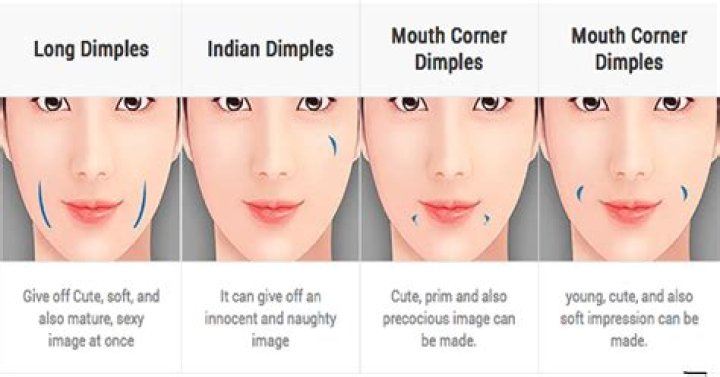
Dimples are charming little indentations that can add an extra touch of allure to a person's smile. These cute features have fascinated people for centuries, as they can be found in various shapes and sizes, often evoking a sense of warmth and friendliness. Though they might seem like a simple cosmetic trait, dimples can also be indicative of genetic traits and can vary significantly between individuals. In this article, we will delve into the different types of dimples, their origins, and the intriguing biology behind them.
Dimples come in two primary forms: cheek dimples and chin dimples, each offering a unique aesthetic appeal. Cheek dimples are perhaps the most recognized type, often associated with youthfulness and playfulness. On the other hand, chin dimples, also known as cleft chins, add a distinctive character to a person's facial structure. Understanding the different types of dimples can help us appreciate the diversity of human features and the genetic factors that contribute to their formation.
As we explore the various types of dimples, we will also touch upon some famous personalities who sport these delightful features. From Hollywood stars to iconic figures, dimples have been a defining trait for many, enhancing their charm and presence. Join us on this journey as we uncover the captivating world of dimples and the unique characteristics that make them so appealing.
What Are the Main Types of Dimples?
Dimples can be categorized into two main types:
- Cheek Dimples: These are the most common and recognized type of dimples, typically appearing on the cheeks when a person smiles.
- Chin Dimples: Also known as cleft chins, these dimples are located in the middle of the chin and can vary in depth and shape.
How Are Cheek Dimples Formed?
Cheek dimples result from a genetic trait that affects the structure of the facial muscles. Specifically, they occur due to a variation in the zygomaticus major muscle, which is responsible for facial expressions. When this muscle is shorter or has a unique attachment, it pulls the skin inward, creating that charming indentation when a person smiles. This genetic predisposition means that cheek dimples can run in families, making them a delightful feature that can be passed down through generations.
Are There Different Types of Cheek Dimples?
Yes, cheek dimples can vary significantly among individuals. Here are a few examples of the different types:
- Single Dimple: A single dimple on one cheek is common and often seen as a unique feature.
- Double Dimples: Two dimples, one on each cheek, create a symmetrical appearance and are often sought after.
- Shallow Dimples: Some individuals may have less pronounced dimples that are subtler in appearance.
- Deep Dimples: Deep and pronounced dimples can create a striking effect, especially when smiling.
What Causes Chin Dimples?
Chin dimples, or cleft chins, are caused by a variation in the jawline and the underlying bone structure. This feature arises from a combination of genetic factors and developmental processes that influence the formation of the chin during fetal development. The presence of a dimple in the chin can result from the incomplete fusion of the jawbone, creating a distinctive indentation that can vary in depth and prominence among individuals.
Are There Variations in Chin Dimples?
Indeed, chin dimples can also present in various forms:
- Prominent Cleft: A deep and prominent cleft chin that is easily noticeable.
- Subtle Cleft: A shallow indentation that may not be immediately apparent but adds character to the chin.
- Off-Centered Cleft: A dimple that is slightly off-center, creating a unique appearance.
Who Are Some Famous People with Dimples?
Dimples have adorned the faces of many celebrities, adding to their charm and appeal. Here are a few notable personalities known for their dimples:
| Name | Profession | Type of Dimple |
|---|---|---|
| Marilyn Monroe | Actress | Cheek Dimples |
| David Beckham | Footballer | Chin Dimple |
| Rihanna | Singer | Cheek Dimples |
| John Legend | Singer | Cheek Dimples |
| Jessica Alba | Actress | Cheek Dimples |
Do Dimples Have Any Cultural Significance?
In various cultures, dimples are often seen as symbols of beauty and good fortune. For instance, in some Asian cultures, cheek dimples are considered a sign of good luck and are highly sought after. In contrast, chin dimples might be associated with a strong character or leadership qualities. The perception of dimples can vary significantly across cultures, showcasing the diverse meanings attributed to facial features.
What Are the Health Implications of Dimples?
From a medical perspective, dimples are generally harmless and do not pose any health risks. However, they can sometimes be associated with other genetic conditions. For instance, certain syndromes may include dimples as part of a broader range of physical traits. If you notice any unusual changes in the appearance of dimples or other facial features, it’s essential to consult a healthcare professional for a thorough evaluation.
Can Dimples Be Created Surgically?
Yes, for those who desire dimples but were not born with them, cosmetic procedures exist to create artificial dimples. This surgical process involves a minor outpatient procedure where a small incision is made in the cheek to create a dimple. Results can vary, and individuals should consult with a qualified cosmetic surgeon to discuss their options and potential outcomes.
Are Dimples Permanent?
Cheek dimples are typically permanent features, as they result from a genetic predisposition. However, factors such as aging, weight fluctuations, and changes in muscle tone can affect their appearance over time. In contrast, surgically created dimples may not be as permanent, as they can fade or change with the natural aging process.
Conclusion: Embracing the Charm of Dimples
Dimples, whether on the cheeks or chin, add a unique charm to a person's appearance and can carry cultural significance. Understanding the different types of dimples allows us to appreciate the diversity of human features and the genetic factors that contribute to their formation. Whether naturally occurring or surgically created, dimples bring joy and intrigue to those who possess them, making them a delightful aspect of human beauty.