Exploring the Roots of P Diddy: Is P Diddy Somalian?
 Emily Beck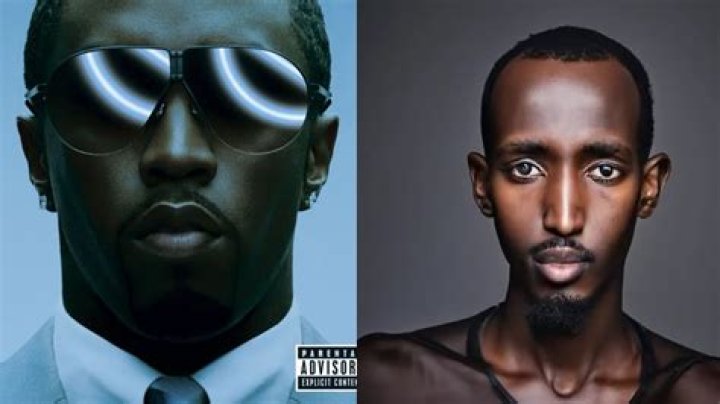
In the realm of hip-hop and music, few names shine as brightly as P Diddy. Born Sean Combs, he has made a monumental impact on the industry, not just as a rapper and producer but also as an entrepreneur and fashion icon. However, amid his illustrious career and larger-than-life persona, many have wondered about the roots of this music mogul. One question that frequently arises is: Is P Diddy Somalian? This inquiry touches on the intricate tapestry of his heritage and the cultural influences that have shaped his life and work.
Understanding P Diddy's background is essential to appreciating his artistry. His music often reflects a blend of influences that stem from various cultures, which raises the question about his ethnic origins. P Diddy has been vocal about his upbringing in New York City, but the curiosity around his ancestry continues to spark discussions among fans and critics alike. As we dive deeper into his life and heritage, we will explore his biography, personal details, and the cultural aspects that inform his work.
As we navigate through the life of P Diddy, we will seek to answer not only the question of his ethnic background but also the broader implications of identity in the music industry. This exploration will not only shed light on P Diddy's cultural connections but also resonate with the diverse narratives that make up the world of hip-hop. So, let's embark on this journey to uncover the truth behind the question: Is P Diddy Somalian?
What is P Diddy's Biography?
Sean Combs, famously known as P Diddy, was born on November 4, 1969, in Harlem, New York City. He was raised in an environment that was rich with cultural influences, which undoubtedly played a significant role in his development as an artist. His mother, Janice Combs, worked as a model and educator, while his father, Melvin Earl Combs, was an associate of a drug dealer and was murdered when Sean was just a toddler. This tumultuous upbringing inspired much of P Diddy's later work.
After attending Howard University, where he studied business, P Diddy launched his career in the music industry. He initially worked as an intern at Uptown Records before founding his own label, Bad Boy Entertainment, in 1993. His first major breakthrough came with the release of the album "No Way Out" in 1997, which solidified his status as a leading figure in hip-hop. Over the years, he has not only produced numerous chart-topping hits but also cultivated a diverse portfolio that includes fashion lines, film production, and philanthropic efforts.
| Personal Details | Biography Data |
|---|---|
| Full Name: | Sean John Combs |
| Born: | November 4, 1969 |
| Birthplace: | Harlem, New York City |
| Occupation: | Rapper, Producer, Entrepreneur |
| Label: | Bad Boy Entertainment |
Is P Diddy Somalian?
When we ask, Is P Diddy Somalian?, it's important to clarify his ethnic background. P Diddy is of African-American descent, primarily tracing his roots to the southern United States. While he has not publicly identified with any specific African nationality, his cultural influences are diverse, drawing from the broader African diaspora, which includes various regions of the continent. This question often stems from the rich cultural tapestry within the hip-hop community, where artists frequently blend influences from different backgrounds.
What Cultural Influences Shape P Diddy's Music?
P Diddy’s music is a reflection of his experiences and the myriad cultural influences that have shaped him. Growing up in Harlem during the 1980s and 1990s, he was exposed to a wealth of musical styles, including hip-hop, R&B, soul, and even reggae. His ability to fuse these genres has played a significant role in his success as a producer and artist. He is known for collaborating with a diverse range of artists, further enriching his musical output.
Additionally, P Diddy's entrepreneurial ventures in fashion and business showcase his understanding of cultural trends and consumer behavior. His brand, Sean John, became a household name and represented a blend of hip-hop culture and mainstream fashion. By embracing his roots while incorporating various cultural elements, P Diddy has carved out a unique space in the industry.
How Has P Diddy Contributed to Hip-Hop Culture?
P Diddy’s impact on hip-hop extends beyond his music. His pioneering efforts in establishing Bad Boy Entertainment changed the landscape of the genre, providing a platform for emerging artists. Through his label, he has launched the careers of several successful musicians, including The Notorious B.I.G., Faith Evans, and Mase. His ability to spot talent and nurture it has solidified his legacy in the industry.
Moreover, P Diddy has played a pivotal role in promoting hip-hop culture globally. His collaborations with international artists and his ventures in film and television have brought hip-hop to a wider audience. By leveraging his influence, he has not only elevated his status but also contributed to the recognition of hip-hop as a legitimate art form.
What are the Misconceptions About P Diddy's Heritage?
Misunderstandings about P Diddy's heritage often arise from the diverse nature of his work and collaborations. Some may mistakenly associate him with various African cultures due to his music's global appeal and the presence of African artists in his projects. While P Diddy embraces cultural diversity, it is crucial to recognize his African-American identity and the significance of that heritage in his artistry.
Furthermore, the question of whether P Diddy is Somalian may stem from the broader discussions about representation in the music industry. Many artists draw inspiration from their roots, leading to a rich tapestry of sounds and styles that reflect diverse influences. In P Diddy's case, his work embodies the spirit of hip-hop while celebrating cultural diversity.
How Does P Diddy Identify With His Cultural Background?
P Diddy has often expressed pride in his African-American heritage. He acknowledges the struggles and achievements of his ancestors, which inform his work and public persona. His philanthropic efforts, particularly in education and youth empowerment, reflect a deep commitment to uplifting his community. Through initiatives like the “Sean Combs Foundation,” he aims to provide opportunities for young people to pursue their dreams.
Moreover, P Diddy's music often addresses themes of identity, resilience, and empowerment. By sharing his story and experiences, he connects with audiences on a personal level, fostering a sense of community and shared cultural identity. His work serves as a testament to the power of music as a vehicle for cultural expression.
What Legacy Will P Diddy Leave Behind?
As we ponder the question, Is P Diddy Somalian?, it becomes evident that his legacy transcends any single identity or label. P Diddy has established himself as a multifaceted artist and entrepreneur, leaving an indelible mark on the music industry and popular culture. His ability to adapt and innovate has paved the way for future generations of artists, ensuring that his influence will be felt for years to come.
Ultimately, P Diddy's journey is a celebration of cultural diversity and the power of music to unite people across different backgrounds. As he continues to evolve as an artist and entrepreneur, his story serves as an inspiration, encouraging others to embrace their own heritage and pursue their passions with determination.
Conclusion: Understanding P Diddy Beyond Labels
In conclusion, while the question of whether P Diddy is Somalian may spark curiosity, the truth is that his identity is a rich blend of influences that reflect his African-American heritage and the broader cultural landscape of hip-hop. As we appreciate his contributions to music and culture, let us celebrate the diversity that defines not only P Diddy but also the entire hip-hop community.
P Diddy stands as a testament to the power of music in bridging cultural divides and fostering understanding among people from different backgrounds. As he continues to inspire and innovate, his legacy will undoubtedly resonate with future generations, reminding us of the beauty of cultural diversity in shaping our identities.