Exploring the World of Femboy Comics: A Colorful Fusion of Gender and Art
 Emily Beck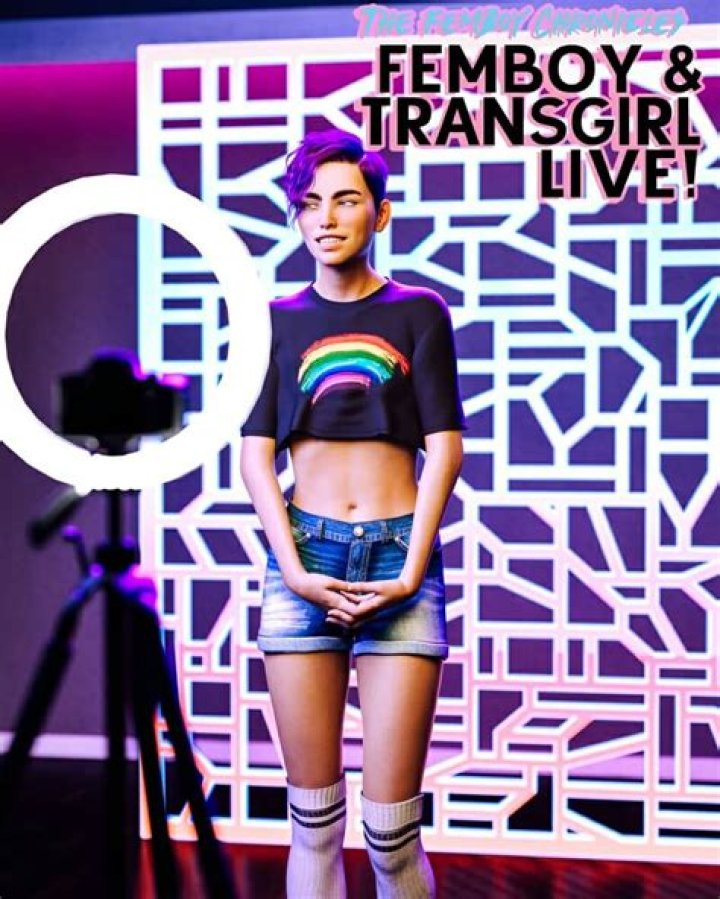
The realm of femboy comics has emerged as a vibrant and engaging genre that captures the essence of androgyny and diversity in artistic expression. With their unique blend of femininity and masculinity, femboy characters have carved a niche for themselves in the comic world, attracting a devoted fanbase that appreciates their representation and relatability. As society continues to embrace various gender identities, femboy comics stand out as a testament to the evolving landscape of art and storytelling.
Femboy comics not only entertain but also challenge traditional gender norms and stereotypes. This genre allows readers to explore different aspects of identity, breaking away from the confines of binary gender roles. Whether through humor, romance, or adventure, femboy comics provide a platform for self-expression and acceptance, resonating with individuals who see themselves reflected in these characters.
In this article, we will delve into the fascinating world of femboy comics, examining their origins, popular titles, and the impact they have on culture and identity. We will also answer some frequently asked questions about femboy comics, exploring the significance of this genre and its growing appeal among comic enthusiasts.
What Are Femboy Comics?
Femboy comics are a genre that features male characters who embody both masculine and feminine traits, often dressing in a way that blends traditional gender norms. These characters are celebrated for their fluidity, allowing for a broader representation of gender identity in comics. Femboy comics can include a variety of themes, from romance to action, and often challenge societal expectations surrounding gender expression.
How Did Femboy Comics Become Popular?
The rise of femboy comics can be traced back to several cultural shifts that have taken place over the past two decades. As discussions surrounding gender identity and expression have gained momentum, artists and writers have begun to create stories that reflect these evolving narratives. The internet has played a significant role in the proliferation of femboy comics, with platforms like social media and webcomics providing creators with the tools to share their work with a global audience.
Who Are Some Notable Femboy Comic Characters?
- Ritsuka Uenoyama from "Given" - A character who embodies the spirit of femboy aesthetics while navigating the complexities of love and music.
- Astolfo from "Fate/Apocrypha" - A playful and charming character known for their androgynous appearance and vibrant personality.
- Yoruichi Shihouin from "Bleach" - While primarily a female character, Yoruichi's ability to shift between forms showcases the fluidity present in femboy representation.
- Haru from "Beastars" - A character who challenges traditional gender roles through their unique personality and style.
What Themes Are Common in Femboy Comics?
Femboy comics often explore a variety of themes that resonate with readers. Some of the most common themes include:
- Identity and Self-Discovery - Many femboy comics focus on characters navigating their gender identity and the societal expectations that come with it.
- Acceptance and Love - These stories often highlight the importance of love and acceptance, both from oneself and from others.
- Friendship and Community - Femboy comics frequently depict the support and camaraderie that can be found within LGBTQ+ communities.
- Adventure and Fantasy - Many femboy comics incorporate elements of fantasy and adventure, allowing characters to explore their identities in imaginative settings.
How Do Femboy Comics Challenge Gender Norms?
Femboy comics serve as a powerful medium for challenging and redefining gender norms. By presenting characters who defy traditional gender roles, these comics encourage readers to question societal expectations and embrace their individuality. The fluidity of femboy characters allows for a more nuanced understanding of gender, promoting acceptance and understanding within diverse communities.
What Impact Do Femboy Comics Have on Readers?
For many readers, femboy comics provide a sense of validation and representation. Characters that embody both masculine and feminine traits resonate with individuals who may feel marginalized or misunderstood. The visibility of femboy characters in comics fosters a sense of belonging and encourages readers to embrace their unique identities.
What Are Some Popular Femboy Comics to Check Out?
If you're interested in exploring femboy comics further, here are some popular titles to consider:
- "My Dress-Up Darling" - A romantic comedy that features a femboy character navigating the world of cosplay and self-expression.
- "Yuri!!! on ICE" - While primarily focusing on figure skating, the series includes femboy representation in its characters and themes.
- "Sasaki and Miyano" - A heartfelt story that explores the budding romance between two boys, with elements of femboy aesthetics present.
- "Love Stage!!" - A comedic romance that features a femboy protagonist in the world of showbiz and entertainment.
Are There Any Femboy Comic Conventions?
Yes, many conventions celebrate LGBTQ+ representation and feature panels, workshops, and exhibitions focused on femboy comics. These events provide a platform for artists and fans to connect, share their work, and discuss the significance of femboy representation in the comic industry.
Conclusion: Embracing Diversity Through Femboy Comics
Femboy comics represent a dynamic and evolving genre that celebrates the beauty of gender fluidity and self-expression. By challenging traditional gender norms and promoting acceptance, femboy comics play a crucial role in shaping cultural narratives and fostering a sense of community. As we continue to explore the diverse world of comics, it's essential to recognize and appreciate the impact that femboy characters have on readers, inspiring them to embrace their individuality and celebrate their identities.