Lupe Velez: The Tragic Star of Hollywood's Golden Age
 Michael King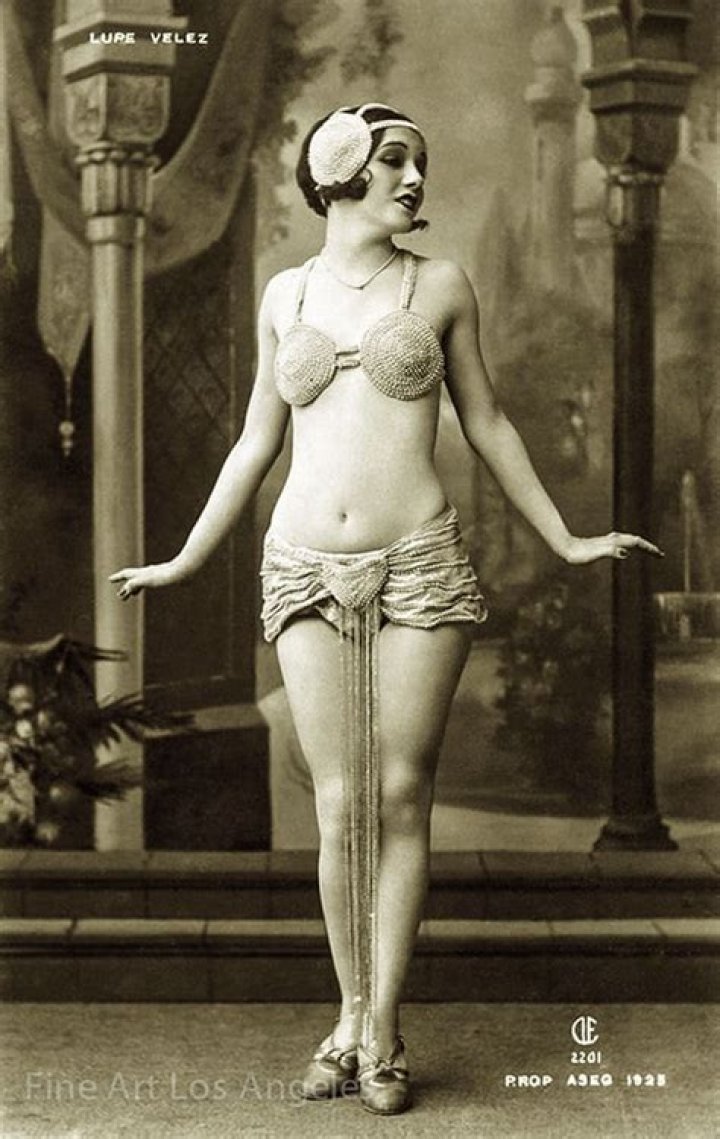
Lupe Velez was a captivating and talented actress who left an indelible mark on Hollywood during its Golden Age. Known for her fiery personality and striking beauty, Velez quickly rose to fame in the 1920s and 1930s, becoming one of the most recognized Latina actresses of her time. Despite her success, Velez's life was marked by personal struggles and tragedy, leading to her untimely demise at a young age. In this article, we will explore the life and legacy of Lupe Velez, from her early beginnings to her lasting impact on the film industry.
Born on July 18, 1908, in San Luis Potosí, Mexico, Lupe Velez was the daughter of a wealthy family. She began her career as a dancer and actress in the Mexican film industry before transitioning to Hollywood, where her exotic looks and spirited performances captured the attention of audiences and filmmakers alike. However, behind the glitz and glamour of her career, Velez faced numerous challenges, including cultural barriers, personal relationships, and the pressures of fame. Her story is one of resilience and determination, making her a fascinating figure in the annals of cinema history.
Throughout her career, Lupe Velez starred in numerous films, showcasing her versatility as an actress. Despite her talent and charisma, she struggled with the expectations placed upon her by the industry and society at large. Tragically, Velez's life came to a premature end on December 14, 1944, but her legacy continues to resonate with new generations of fans and filmmakers. In this article, we will delve deeper into her biography, personal life, and the impact she made on Hollywood.
What was Lupe Velez's Early Life Like?
Lupe Velez was born into a privileged family, but her early life was not without its hardships. After her parents' separation, Velez moved to Mexico City with her mother, where she began to pursue her passion for performing arts. Her early exposure to dance and theater laid the foundation for her future career in film. As a young woman, she faced societal pressures and the challenges of being a woman in a male-dominated industry. Her determination to succeed propelled her to seek opportunities both in Mexico and Hollywood.
When Did Lupe Velez Start Her Acting Career?
Velez's acting career began in the late 1920s when she appeared in several silent films in Mexico. Her breakthrough came when she moved to Hollywood, where her vibrant personality and striking looks quickly garnered attention. She starred in films such as "The Gaucho" (1927) alongside Douglas Fairbanks and "The Love Parade" (1929), where her comedic timing shone. Velez's transition from silent films to talkies was seamless, and she became one of the first Latina actresses to achieve significant success in Hollywood.
What Are Some Notable Films Featuring Lupe Velez?
- "The Gaucho" (1927)
- "The Love Parade" (1929)
- "The Cat and the Fiddle" (1934)
- "The Mexican Spitfire" series (1939-1943)
- "The Kid from Spain" (1932)
What Were the Personal Struggles Faced by Lupe Velez?
Despite her fame, Velez faced numerous personal struggles, including turbulent relationships and the pressure of maintaining her public persona. Her romantic entanglements often made headlines, and she was involved with several high-profile figures, including actor Gary Cooper and director Paul L. Stein. The intense scrutiny of her personal life took a toll on her mental health, and Velez battled feelings of inadequacy and insecurity throughout her career.
How Did Lupe Velez's Background Influence Her Career?
Lupe Velez's Mexican heritage played a significant role in shaping her career. As one of the few Latina actresses in Hollywood at the time, she faced both opportunities and challenges. While her exotic looks positioned her as a leading lady, they also pigeonholed her into specific roles that often reinforced stereotypes. Velez's determination to break free from these confines led her to pursue diverse roles, showcasing her talent and versatility as an actress.
What Was the Legacy of Lupe Velez?
Lupe Velez's legacy extends beyond her filmography. She paved the way for future generations of Latina actresses, proving that talent and charisma could transcend cultural barriers in Hollywood. Her contributions to the film industry have been recognized in recent years, with several retrospectives celebrating her work and its impact. Velez's life story serves as a reminder of the challenges faced by women in entertainment and the importance of representation in film.
What Happened to Lupe Velez in Her Final Years?
In the years leading up to her death, Lupe Velez struggled with personal turmoil and the pressures of maintaining her career. Despite her success, she battled depression and feelings of isolation. On December 14, 1944, Velez tragically took her own life at the age of 36. Her untimely death shocked her fans and colleagues, leaving behind a legacy of talent and a poignant reminder of the struggles faced by many in the entertainment industry.
What Can We Learn from Lupe Velez's Life?
The story of Lupe Velez is one of talent, tenacity, and tragedy. It highlights the complexities of fame and the personal battles faced by those in the spotlight. Velez's journey serves as an inspiration for aspiring actors and actresses, emphasizing the importance of resilience and authenticity in the face of adversity.
| Detail | Information |
|---|---|
| Full Name | Maria Guadalupe Villalobos Velez |
| Birth Date | July 18, 1908 |
| Birth Place | San Luis Potosí, Mexico |
| Death Date | December 14, 1944 |
| Occupation | Actress, Dancer |
| Notable Works | The Gaucho, The Love Parade, The Mexican Spitfire series |
In conclusion, Lupe Velez was a trailblazer in Hollywood who faced numerous challenges but left a lasting impact on the film industry. Her legacy serves as a reminder of the importance of representation and the struggles that many artists face behind the scenes. As we celebrate her contributions to cinema, we also acknowledge the complexities of her life and the lessons it imparts to future generations.