Ralph Macchio and His Journey with Parkinson's Disease
 Ava Hudson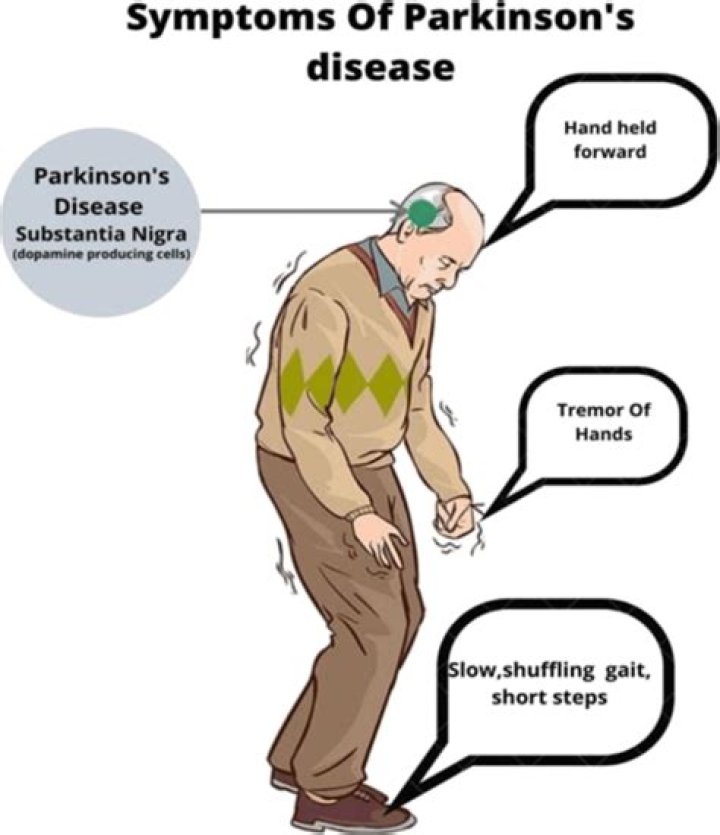
Ralph Macchio, best known for his iconic role as Daniel LaRusso in "The Karate Kid," has captivated audiences for decades with his charm and talent. As a beloved actor, he has not only made a mark in the entertainment industry but has also inspired many through his resilience and determination. However, recent discussions have emerged surrounding Ralph Macchio and Parkinson's disease, bringing attention to his health and the potential challenges he may face.
Over the years, Macchio has shared insights into his life, his career, and the challenges that come with aging in the spotlight. While he has maintained a positive public image, the emergence of Parkinson's disease in discussions surrounding his name raises important questions about the impact of this condition on his life and career. It is essential to explore the realities of living with Parkinson's disease and how it affects not just the individual but also their loved ones and fans.
The connection between Ralph Macchio and Parkinson's disease serves as a reminder of the importance of awareness and understanding of this condition. As we delve deeper into the life of this talented actor, we will uncover his biography, personal details, and how he navigates the challenges presented by Parkinson's disease.
Who is Ralph Macchio?
Ralph Macchio is an American actor, producer, and director, celebrated for his role in the "Karate Kid" franchise. Born on November 4, 1961, in Huntington, New York, Macchio's journey in the entertainment industry began at a young age. He gained significant fame when he starred in the 1984 film "The Karate Kid," which became a cultural phenomenon and solidified his status as a teen idol.
Ralph Macchio's Biography and Early Life
Macchio started acting in commercials and television series during his teenage years, but it was his portrayal of a karate student that truly captured the hearts of audiences. He continued to work in film and television, taking on various roles that showcased his versatility as an actor. His career has spanned several decades, and he has remained a prominent figure in the entertainment industry.
| Personal Detail | Information |
|---|---|
| Name | Ralph Macchio |
| Date of Birth | November 4, 1961 |
| Place of Birth | Huntington, New York, USA |
| Occupation | Actor, Producer, Director |
| Notable Works | The Karate Kid, Cobra Kai |
| Spouse | Phyllis Fierro |
| Children | Daniel Macchio, Julia Macchio |
What is Parkinson's Disease?
Parkinson's disease is a progressive neurological disorder that affects movement. It occurs when nerve cells in the brain that produce dopamine, a neurotransmitter responsible for coordinating movement, begin to deteriorate. This can lead to a variety of symptoms, including tremors, stiffness, difficulty with balance, and changes in speech and writing.
How Does Parkinson's Disease Impact Daily Life?
Living with Parkinson's disease presents numerous challenges that can significantly affect an individual's quality of life. People diagnosed with the condition may experience a range of physical and emotional symptoms that require ongoing management and support. These may include:
- Tremors: Involuntary shaking or trembling, particularly in the hands.
- Stiffness: Muscle rigidity that can limit movement and flexibility.
- Balance Issues: Difficulty maintaining stability, increasing the risk of falls.
- Changes in Speech: Alterations in voice volume and clarity.
- Fatigue: Persistent tiredness that can affect daily activities.
Is Ralph Macchio Living with Parkinson's Disease?
While there have been speculations surrounding Ralph Macchio and Parkinson's disease, it is essential to clarify that no confirmed reports indicate that he is currently living with the condition. However, the topic has generated discussions about the challenges many individuals face when dealing with neurological disorders. It is crucial to approach such discussions with sensitivity and respect for the individual's privacy.
How Can We Support Those Affected by Parkinson's Disease?
Support for individuals affected by Parkinson's disease can come in many forms. Friends, family, and the community can play a vital role in creating a supportive environment. Here are some ways to offer support:
- Educate Yourself: Understanding the condition helps in providing appropriate support.
- Be Patient: Recognize that individuals may have good and bad days.
- Encourage Open Communication: Create a space where individuals feel comfortable expressing their feelings.
- Assist with Daily Activities: Offer help with tasks that may become challenging.
- Promote Physical Activity: Encourage participation in exercise and physical therapy.
What Resources are Available for Parkinson's Disease?
For individuals and families affected by Parkinson's disease, various resources are available to provide support and information. Some of these include:
- National Parkinson Foundation: Offers educational resources and support services.
- Parkinson's Disease Foundation: Provides research funding and advocacy for better treatments.
- Local Support Groups: Connect individuals with others facing similar challenges.
- Healthcare Professionals: Seek guidance from neurologists and therapists specializing in movement disorders.
What Can We Learn from Ralph Macchio's Journey?
Ralph Macchio's career has been marked by resilience, talent, and a deep connection with his fans. While discussions around Ralph Macchio and Parkinson's disease may be speculative, they serve as a reminder of the importance of raising awareness about neurological disorders. His journey highlights the need for empathy and support for those affected by such conditions.
Conclusion: Embracing Life's Challenges
In conclusion, Ralph Macchio's legacy as an actor continues to inspire countless individuals. Whether or not he is personally affected by Parkinson's disease, the conversations surrounding this topic are crucial in promoting understanding and compassion for those living with the condition. By educating ourselves and supporting one another, we can create a more inclusive environment for everyone, regardless of the challenges they face.