Understanding ED: A Comprehensive Guide to Erectile Dysfunction
 Mia Russell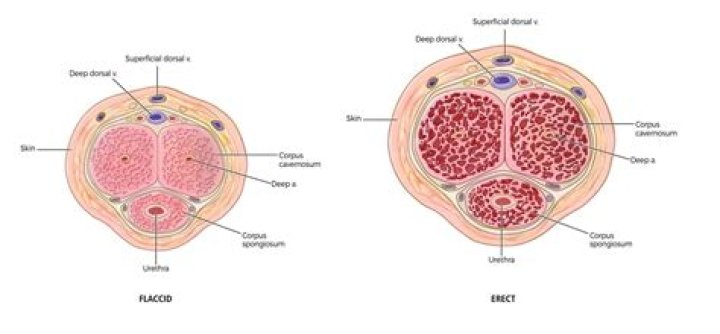
Erectile dysfunction (ED) is a common condition that affects millions of men worldwide. It is characterized by the inability to achieve or maintain an erection sufficient for satisfactory sexual performance. This condition can have a profound impact on a man's self-esteem, relationships, and overall quality of life.
ED is not just a medical issue; it also carries emotional and psychological implications. The stigma surrounding this condition often prevents men from seeking help, leading to untreated cases that could otherwise be managed effectively. Understanding the causes, symptoms, and treatment options for ED is crucial for anyone who wants to address this condition or support someone dealing with it.
By exploring the various aspects of ED, including its biological, psychological, and lifestyle-related factors, we aim to provide a thorough and informative guide. This article will equip readers with the knowledge they need to recognize ED, discuss it openly, and seek appropriate treatments.
What is Erectile Dysfunction (ED)?
Erectile dysfunction, commonly referred to as ED, is a condition where a man consistently struggles to achieve or sustain an erection necessary for sexual intercourse. It affects men of all ages but becomes more prevalent with age. While occasional difficulties in achieving an erection are normal, persistent issues may indicate underlying health problems.
ED is often misunderstood as purely a psychological issue, but in reality, it can stem from a variety of factors, including physical health conditions, hormonal imbalances, and lifestyle choices. Recognizing these factors is essential for effective management and treatment.
Causes of Erectile Dysfunction
Physical Causes
Physical factors contribute significantly to the development of ED. Some of the most common physical causes include:
- Cardiovascular diseases
- Diabetes
- Hypertension
- Obesity
- Hormonal imbalances, such as low testosterone levels
These conditions can impair blood flow to the penis or disrupt the nervous system's ability to transmit signals necessary for an erection.
Psychological Causes
Mental health issues also play a significant role in ED. Stress, anxiety, depression, and relationship problems can all contribute to difficulties in achieving or maintaining an erection. The psychological aspects of ED are often intertwined with physical factors, making it a complex condition to address.
Common Symptoms of ED
The symptoms of ED vary from person to person but generally include:
- Difficulty achieving an erection
- Inability to maintain an erection during sexual activity
- Reduced sexual desire
It is important to note that occasional erection problems are not necessarily indicative of ED. However, if these symptoms persist over time, it may be worth consulting a healthcare professional.
Risk Factors for Erectile Dysfunction
Certain risk factors increase the likelihood of developing ED. These include:
- Age
- Unhealthy lifestyle habits, such as smoking or excessive alcohol consumption
- Chronic illnesses like diabetes and hypertension
- Medications that affect sexual function
Managing these risk factors through lifestyle changes and medical intervention can help reduce the incidence of ED.
Diagnosis and Testing for ED
Medical Evaluation
Diagnosing ED begins with a thorough medical evaluation. A healthcare provider may conduct:
- A physical examination
- A review of medical history
- Tests to assess blood flow and hormone levels
These evaluations help determine the underlying cause of ED and guide treatment decisions.
Psychological Assessment
In cases where psychological factors are suspected, a mental health professional may be consulted. This assessment can reveal stressors, anxiety, or other emotional issues contributing to ED.
Treatment Options for ED
Medications
Several medications are available to treat ED, including:
- Sildenafil (Viagra)
- Tadalafil (Cialis)
- Vardenafil (Levitra)
These medications work by increasing blood flow to the penis, facilitating erections. However, they are not suitable for everyone and should only be used under medical supervision.
Therapies and Counseling
Psychotherapy and sex therapy can be effective in addressing the psychological aspects of ED. These therapies focus on improving communication, reducing anxiety, and enhancing intimacy between partners.
Lifestyle Changes to Manage ED
Adopting healthier lifestyle habits can significantly improve ED symptoms. Recommendations include:
- Regular exercise
- A balanced diet rich in fruits, vegetables, and whole grains
- Quitting smoking
- Moderating alcohol consumption
These changes not only benefit sexual health but also contribute to overall well-being.
Preventing ED
Prevention is key to avoiding ED. By maintaining good physical and mental health, men can reduce their risk of developing this condition. Regular check-ups with a healthcare provider can also help detect and address potential issues early.
Impact of ED on Mental Health
ED can take a toll on a man's mental health, leading to feelings of inadequacy, low self-esteem, and depression. It is crucial for men to seek support from partners, friends, or professionals when dealing with these emotional challenges.
Support Systems for Men with ED
Partner Involvement
Involving partners in the treatment process can strengthen relationships and improve outcomes. Open communication and mutual understanding are vital components of this support system.
Professional Help
Healthcare providers and mental health professionals offer valuable resources for managing ED. They can provide guidance, treatment options, and emotional support tailored to individual needs.
Conclusion
Erectile dysfunction is a multifaceted condition that affects millions of men globally. By understanding its causes, symptoms, and treatment options, individuals can take proactive steps to manage and overcome this challenge. Remember, seeking help is a sign of strength, not weakness.
We encourage readers to share their experiences, ask questions, or explore other articles on our site for further information. Together, we can break the stigma surrounding ED and promote healthier lives for all.
Sources:
- Mayo Clinic - Erectile Dysfunction
- NIH - National Institute of Diabetes and Digestive and Kidney Diseases
- Harvard Health Publishing