Understanding SERP Volatility: Navigating the Ever-Changing Landscape of Search Rankings
 Dylan Hughes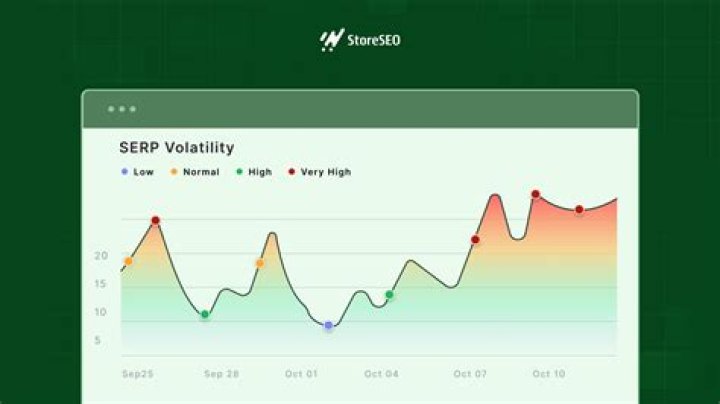
In the digital age, businesses are increasingly reliant on search engines to drive traffic to their websites, and understanding the factors that influence search rankings is crucial. One of the most significant yet often overlooked aspects of this landscape is SERP volatility. This term refers to the fluctuations in search engine results pages (SERPs) that can occur due to a multitude of factors, including algorithm updates, changes in user behavior, and competitive activity. For businesses aiming to maintain or improve their online visibility, staying informed about SERP volatility is essential for effective search engine optimization (SEO) strategies.
Moreover, SERP volatility can have a profound impact on a website's performance, affecting everything from organic traffic levels to conversion rates. With search engines like Google constantly updating their algorithms, it’s not uncommon for businesses to experience sudden changes in their rankings, leading to increased uncertainty and pressure. Understanding the nature of these fluctuations can empower businesses to adapt their strategies and make informed decisions in the face of uncertainty.
As we delve deeper into SERP volatility, we will explore its causes, implications, and how businesses can effectively navigate this unpredictable terrain. By gaining insights into SERP fluctuations, businesses can position themselves for success in an ever-evolving digital marketplace, ensuring that they remain competitive and visible to their target audience.
What Causes SERP Volatility?
Understanding the root causes of SERP volatility is crucial for businesses looking to maintain their rankings. Here are some key factors that contribute to fluctuations:
- Algorithm Updates: Search engines frequently update their algorithms to improve user experience and deliver more relevant results.
- Content Quality: Changes in the quality or relevance of available content can impact rankings.
- Competitor Activity: New competitors entering the market or existing competitors optimizing their content can lead to shifts in SERP rankings.
- User Behavior: Changes in search behavior, such as shifts in popular queries or seasonal trends, can influence SERP volatility.
How Can Businesses Monitor SERP Volatility?
To effectively manage SERP volatility, businesses must actively monitor their rankings and those of their competitors. Here are some strategies for tracking fluctuations:
- Utilize SEO Tools: Tools like SEMrush, Ahrefs, and Moz can provide valuable insights into ranking changes.
- Set Up Alerts: Many SEO tools allow users to set up alerts for significant ranking changes.
- Analyze Competitor Performance: Regularly check competitors’ rankings to identify shifts that may affect your own performance.
What Are the Implications of SERP Volatility for Businesses?
SERP volatility can have far-reaching implications for businesses, including:
- Traffic Fluctuations: Sudden changes in rankings can lead to significant increases or decreases in website traffic.
- Revenue Impact: Changes in traffic can directly affect conversion rates and overall revenue.
- Brand Visibility: Consistent ranking changes can hinder a brand's ability to maintain visibility in search results.
How Can Businesses Adapt to SERP Volatility?
Given the unpredictable nature of SERP volatility, businesses must remain agile and adaptable. Here are several strategies to consider:
- Regularly Update Content: Keeping content fresh and relevant can help maintain rankings amidst fluctuations.
- Focus on Quality Backlinks: Building a solid backlink profile can enhance authority and improve rankings.
- Analyze User Intent: Understanding what users are looking for can help tailor content to meet their needs.
What Role Does User Experience Play in SERP Volatility?
User experience (UX) is becoming increasingly important in determining search rankings. Factors such as page load speed, mobile-friendliness, and overall site usability can significantly influence SERP performance. Search engines prioritize websites that provide a positive user experience, which can lead to more stable rankings. Therefore, investing in UX improvements can be a wise strategy for mitigating the effects of SERP volatility.
Can SERP Volatility Affect Different Industries Differently?
Yes, SERP volatility can have varying impacts across different industries. For example:
- Highly Competitive Industries: Businesses in industries with intense competition may experience more frequent and dramatic shifts in rankings.
- Niche Markets: Companies operating in niche markets may face less volatility, but still need to adapt to changes in user behavior.
- Seasonal Businesses: Businesses with seasonal fluctuations may see more pronounced effects during peak times.
Conclusion: Navigating the Challenges of SERP Volatility
In conclusion, SERP volatility is an inherent aspect of the digital landscape that businesses must navigate. By understanding the causes of fluctuations, actively monitoring changes, and adapting strategies accordingly, businesses can position themselves for success in an unpredictable environment. Emphasizing quality content, user experience, and adaptability will not only help mitigate the effects of SERP volatility but also enhance overall performance in search engine rankings.