Understanding the Dimensions of Twitter Header: A Comprehensive Guide
 Michael King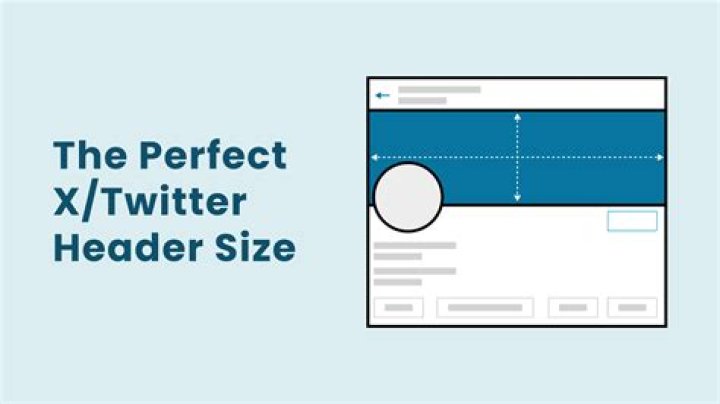
In the fast-paced world of social media, visuals often speak louder than words. One of the most significant elements of a Twitter profile is the header image, which serves as a visual representation of the account and its owner. Knowing the correct dimensions of Twitter header is crucial for ensuring that your profile stands out and effectively conveys your brand or personal identity. A well-crafted header can attract more followers, enhance engagement, and create a lasting impression. In this article, we'll explore the ins and outs of Twitter header dimensions, providing you with the information you need to optimize your profile for success.
The dimensions of Twitter header play a pivotal role in how your profile is perceived. A header that is improperly sized can result in awkward cropping, pixelation, or distortion, which can detract from your overall message. Twitter has specific guidelines that should be adhered to in order to maintain the integrity of your visual content. We'll delve into these standards and tips for creating an eye-catching header that reflects your unique style.
Whether you're an individual looking to express your personality or a brand aiming to promote your products and services, understanding the dimensions of Twitter header is essential. By following the right dimensions and best practices, you can ensure that your Twitter profile is not only visually appealing but also effective in communicating your message. Let's dive into the details and discover how to make the most of your Twitter header.
What Are the Ideal Dimensions of Twitter Header?
The recommended dimensions for a Twitter header image are 1500 pixels wide by 500 pixels tall. This aspect ratio of 3:1 ensures that your image displays perfectly across various devices without any distortion or cropping. Here are a few key points to keep in mind:
- Use high-resolution images (at least 72 DPI) for optimal clarity.
- Keep important elements within the safe zone (the center of the header) to avoid cropping.
- Consider using a minimalist design to prevent overcrowding.
Why Is the Twitter Header Important?
Your Twitter header is more than just a decorative image; it is an opportunity to showcase your personality or brand. Here are some reasons why the dimensions of Twitter header matter:
- First Impressions: A compelling header can draw in visitors and encourage them to follow your account.
- Brand Identity: Your header can reinforce your brand’s message and visual identity.
- Engagement: A creative header can increase interaction rates by prompting users to engage with your content.
How to Create an Eye-Catching Twitter Header?
Creating an eye-catching Twitter header involves more than just following the dimensions of Twitter header. Here are some tips to enhance your header:
- Choose a theme that aligns with your brand or personal style.
- Use contrasting colors to make text and images pop.
- Incorporate your logo or a personal image to personalize the header.
- Keep it simple; avoid clutter to maintain focus on the primary message.
What Are the Common Mistakes to Avoid?
When designing your Twitter header, it’s essential to sidestep common pitfalls that can hinder your profile’s effectiveness. Here are some mistakes to avoid:
- Using images that are too small or low-resolution.
- Ignoring the safe zone, leading to important content being cropped out.
- Overloading the header with too much information or imagery.
Can You Change Your Twitter Header? How Often Should You Update It?
Yes, you can change your Twitter header as often as you like! Regularly updating your header keeps your profile fresh and relevant. Consider updating your header during significant events, seasons, or when you have new content to promote. Here are some suggestions on when to update:
- Seasonal changes or holidays.
- Launching new products or campaigns.
- Personal milestones or achievements.
What Tools Can Help You Design a Twitter Header?
Creating a stunning Twitter header can be easier with the right tools. Here are some popular design tools that can help:
- Canva - Offers templates specifically for Twitter headers.
- Adobe Spark - Provides customizable options for header design.
- Snappa - Features a simple interface with drag-and-drop capabilities.
How to Analyze the Effectiveness of Your Twitter Header?
After creating your Twitter header, it’s essential to evaluate its effectiveness. Track engagement metrics such as follows, retweets, and likes to gauge the impact of your header design. You can also use Twitter Analytics to understand how your header influences user behavior. Here are some key metrics to consider:
- Profile visits: Are more users visiting your profile after updating the header?
- Follower growth: Is there an increase in followers after the header change?
- Engagement rates: Are users interacting more with your tweets following the update?
What Are the Best Practices for Twitter Header Images?
To make the most out of the dimensions of Twitter header, adhere to these best practices:
- Stick to the recommended dimensions of 1500 x 500 pixels.
- Use a high-quality, relevant image that resonates with your audience.
- Test how your header appears on different devices, including mobile and desktop.
- Optimize the file size for faster loading without compromising quality.
Conclusion: Mastering the Dimensions of Twitter Header
In conclusion, the dimensions of Twitter header are a critical aspect of your social media presence. By understanding and utilizing the correct dimensions, you can create a visually appealing header that enhances your brand identity and engages your audience. Remember to keep your design fresh and aligned with your goals, and don’t hesitate to experiment with different styles and themes. With the right approach, your Twitter header can become a powerful tool in your social media strategy.