Unseen Truth: The Story Behind Hisashi Ouchi's Real Photos
 Michael King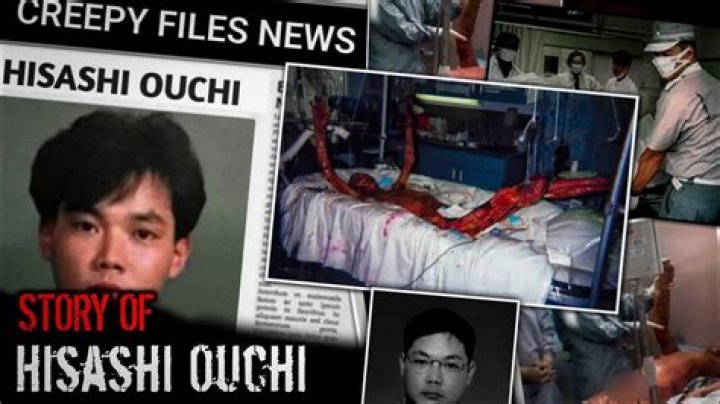
Hisashi Ouchi's story is one of the most tragic and harrowing occurrences in modern history, reflecting the dire consequences of nuclear accidents. Hisashi Ouchi was a victim of the Tokaimura nuclear accident that took place in Japan in 1999, where a criticality accident resulted in severe radiation exposure. The incident not only affected Ouchi but also raised critical questions about safety protocols in nuclear facilities and the broader implications of human error in such high-stakes environments. His story has been documented in various forms, and many seek to find his real photos, hoping to connect with the human side of this tragic event.
In the aftermath of the accident, Ouchi's life took a dramatic turn. He became a symbol of the dangers associated with nuclear energy and the consequences of negligence. While many know him through news articles and documentaries, the search for Hisashi Ouchi's real photos continues to intrigue those interested in understanding the man behind the tragedy. These photos serve as a reminder of the man he was, before the accident changed everything. They are more than just images; they represent a life impacted by unforeseen circumstances.
As the world grapples with the legacy of nuclear power, Ouchi's story serves as an important lesson. The quest for Hisashi Ouchi's real photos is not just about curiosity; it is about honoring his memory and understanding the human cost of technological advancement. In this article, we will explore Ouchi's biography, the events leading to the accident, and the impact it had on his life and the lives of those around him.
Who Was Hisashi Ouchi?
Hisashi Ouchi was a Japanese nuclear worker born on March 27, 1964. He became known internationally due to the tragic events surrounding the Tokaimura nuclear accident. Ouchi was employed at the JCO (Japan Nuclear Fuel Conversion Co.) facility in Tokaimura, Japan, where he worked as a reactor operator. His life changed dramatically on September 30, 1999, when he was involved in a criticality accident that exposed him to an enormous dose of radiation.
What Happened During the Tokaimura Accident?
The Tokaimura accident was a significant nuclear disaster that occurred due to a series of procedural violations by workers at the JCO facility. On that fateful day, two workers improperly mixed uranium fuel, leading to a criticality excursion. This resulted in a massive release of neutron radiation. Ouchi, who was nearby, received a lethal dose of radiation, which would ultimately lead to his tragic demise.
What Were the Consequences for Hisashi Ouchi?
Hisashi Ouchi suffered from severe radiation sickness following the accident. Despite immediate medical attention, his condition deteriorated rapidly. He spent 83 days in the hospital, undergoing treatments that included blood transfusions and experimental therapies, but the damage caused by the radiation exposure proved too severe. Ouchi passed away on December 21, 1999, leaving behind a legacy that raised awareness about nuclear safety.
What Are the Personal Details and Bio Data of Hisashi Ouchi?
| Detail | Information |
|---|---|
| Name | Hisashi Ouchi |
| Date of Birth | March 27, 1964 |
| Occupation | Nuclear Worker |
| Incident | Tokaimura Nuclear Accident |
| Date of Accident | September 30, 1999 |
| Date of Death | December 21, 1999 |
Where Can You Find Hisashi Ouchi's Real Photos?
Finding real photos of Hisashi Ouchi can be challenging due to the sensitive nature of the incident. Many images related to the Tokaimura accident are often presented in news articles and documentaries rather than personal photographs. Those seeking Ouchi's real photos can explore various online resources, including:
- Documentaries on the Tokaimura incident
- News archives from major media outlets
- Books on nuclear safety and accidents
- Memorial sites dedicated to Ouchi and the victims of the accident
What Is the Public's Interest in Hisashi Ouchi's Story?
The public's interest in Hisashi Ouchi's story stems from a combination of factors: the tragedy of his accident, the implications of nuclear safety, and the quest for accountability. Ouchi's story highlights the risks associated with nuclear energy and serves as a poignant reminder of the human cost of technology. Many people are drawn to understanding the personal aspects of such incidents, and Ouchi's life story, along with the search for his real photos, helps to humanize the broader narrative.
How Has Ouchi's Legacy Influenced Nuclear Safety Regulations?
The Tokaimura nuclear accident and the suffering experienced by Hisashi Ouchi prompted significant changes in nuclear safety regulations in Japan and worldwide. Following the incident, the Japanese government implemented stricter guidelines and oversight for nuclear facilities, aiming to prevent similar tragedies in the future. Ouchi's case has become a crucial reference point for discussions on nuclear safety and ethical responsibilities in the industry.
What Lessons Can We Learn from Hisashi Ouchi's Tragic Story?
Hisashi Ouchi's story serves as a critical reminder of the importance of safety and protocol adherence in high-risk industries. It highlights the need for continuous training, oversight, and accountability among workers. The tragic outcomes of the Tokaimura accident emphasize the necessity for improvements in safety culture and the importance of prioritizing human life over production efficiency. By analyzing Ouchi's case, we can strive to create a safer future for all involved in hazardous industries.
In conclusion, the search for Hisashi Ouchi's real photos represents a deeper quest to understand the man behind the tragedy and the lessons learned from his life. The reverberations of the Tokaimura nuclear accident continue to influence safety regulations and public perceptions of nuclear energy. Hisashi Ouchi will always be remembered not just as a victim of a preventable accident, but as a symbol of the human impact of technological advancements.