Unveiling the Life of Lonnie Franklin: The Man Behind the Infamy
 Isabella Harris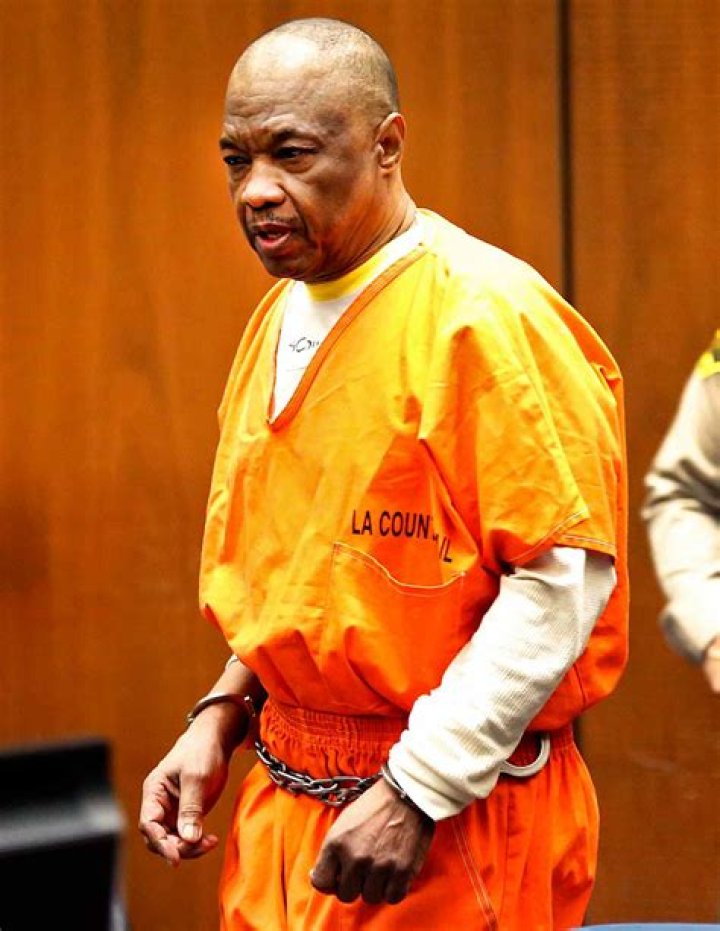
Lonnie Franklin Jr. is a name that resonates with both intrigue and horror, embodying a dark chapter in the history of crime in America. Known as the "Grim Sleeper," he became infamous for a series of murders that plagued Los Angeles over two decades. His chilling story combines elements of a serial killer's psyche with the societal issues surrounding crime and justice, which makes it a compelling narrative. As we delve into the life and actions of Lonnie Franklin, we will explore not only his heinous crimes but also the man behind them, his background, and the aftermath of his actions.
Born on August 30, 1952, in Los Angeles, Franklin's life was steeped in challenges and complexities. His early years provided a backdrop against which his later actions would unfold. The story of Lonnie Franklin is not just one of murder; it is also a reflection of the societal issues surrounding race, poverty, and the justice system in America. As we piece together his biography, we will see how his life experiences may have influenced his eventual descent into violence.
In this article, we will embark on a journey through the life of Lonnie Franklin, examining his biography, the psychological factors at play, the investigation that led to his capture, and the broader implications of his crimes. We will also look into his trial and the impact of his actions on the families of his victims and the community at large. Join us as we uncover the layers of Lonnie Franklin's life and the chilling legacy he left behind.
What is the Biography of Lonnie Franklin?
Lonnie Franklin Jr. was born in Los Angeles, California, and grew up in a neighborhood fraught with challenges. His early years were marked by a complicated family background, which included a troubled relationship with his parents. Despite these difficulties, Franklin managed to maintain a facade of normalcy, working various jobs and getting married. However, his dark tendencies began to surface as he became embroiled in criminal activities.
| Full Name | Lonnie Franklin Jr. |
|---|---|
| Date of Birth | August 30, 1952 |
| Place of Birth | Los Angeles, California |
| Criminal Charges | Multiple counts of murder, sexual assault |
| Sentence | Death penalty |
| Date of Arrest | July 7, 2010 |
| Date of Death | June 18, 2020 |
What Were the Key Events Leading to the Arrest of Lonnie Franklin?
The investigation into Lonnie Franklin's crimes was complex and fraught with challenges. The "Grim Sleeper" moniker was given due to the long break between some of his murders, which led investigators to believe he had ceased his activities for a time. However, his return to killing was marked by a series of brutal murders that drew the attention of law enforcement.
- Initial Suspicion: Franklin came under suspicion after the murder of several women in his neighborhood.
- DNA Evidence: The breakthrough came when DNA evidence linked Franklin to the crimes.
- Surveillance and Arrest: After being identified through familial DNA, he was arrested in 2010.
- Trial and Conviction: Franklin's trial began in 2016, leading to his conviction on multiple counts of murder.
What Psychological Factors Contributed to Lonnie Franklin's Crimes?
Understanding the psychological underpinnings of Lonnie Franklin's actions is critical in comprehending his descent into violence. Many experts point to a combination of factors that may have influenced his behavior:
- Childhood Trauma: Franklin's difficult upbringing may have contributed to his violent tendencies.
- Societal Factors: The environment in which he lived, marked by crime and poverty, could have played a role in shaping his worldview.
- Psychological Disorders: Some mental health professionals suggest that Franklin may have suffered from untreated psychological issues.
How Did Lonnie Franklin's Crimes Affect the Victims' Families?
The impact of Lonnie Franklin's actions extended far beyond the immediate horror of the murders. Families of the victims were left to grapple with the emotional aftermath of their losses. Many felt a profound sense of injustice and grief, as the murders were not just acts of violence but also tragedies that tore apart families and communities.
- Grief and Loss: Families struggled with the loss of their loved ones, often leading to long-lasting emotional scars.
- Advocacy for Justice: Many families became advocates for justice, pushing for changes in how cases of missing and murdered women are handled.
- Community Healing: The community also faced the challenge of healing from the trauma inflicted by Franklin's actions, requiring collective support and change.
What Was the Outcome of Lonnie Franklin’s Trial?
The trial of Lonnie Franklin was highly publicized and drew significant attention due to the nature of his crimes. The proceedings were marked by emotional testimonies from the families of the victims, as well as evidence presented by law enforcement. Ultimately, Franklin was convicted on multiple counts, leading to a sentencing that reflected the severity of his actions.
- Conviction: Franklin was found guilty of 10 counts of murder and additional charges.
- Death Sentence: He received the death penalty, which was seen as a measure of justice for the victims' families.
- Appeals: Franklin's legal team later sought appeals, but these were unsuccessful.
What Legacy Did Lonnie Franklin Leave Behind?
The legacy of Lonnie Franklin is one that serves as a reminder of the darker aspects of human nature. His actions have sparked discussions about violence against women, the importance of effective law enforcement, and the societal conditions that can lead to such atrocities. His case has encouraged greater awareness and advocacy for victims of violence, as well as reforms in how law enforcement approaches similar cases.
What Lessons Can Be Learned from the Life of Lonnie Franklin?
The story of Lonnie Franklin serves as a cautionary tale about the complexities of crime, mental health, and societal issues. It emphasizes the need for early intervention in mental health, the importance of community support systems, and the necessity for law enforcement to address and prioritize cases of violence against women. By reflecting on Franklin's life and actions, society can strive to create a safer environment and prevent similar tragedies in the future.
In conclusion, the life of Lonnie Franklin is a harrowing tale that intertwines the elements of crime, psychology, and social awareness. By examining the factors that led to his actions and the impact they had on individuals and communities, we can hope to foster a deeper understanding of the complexities surrounding such cases. The legacy of Lonnie Franklin reminds us that behind every crime lies a story that deserves to be told and understood.