Unveiling the Truth Behind Hisashi Ouchi's Real Photo
 Liam Parker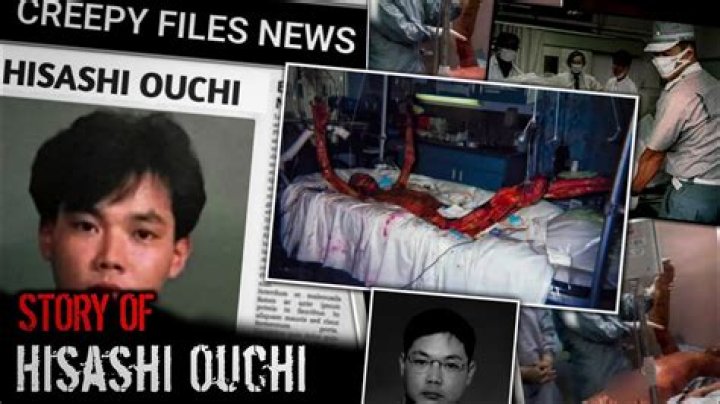
In the realm of nuclear disasters, few names evoke as much emotion and tragedy as Hisashi Ouchi. A survivor of the infamous Tokaimura nuclear accident in Japan, his story is a haunting reminder of the consequences of human error and technological failure. The images that surface about him, particularly his real photo, often generate curiosity and concern, leading many to wonder about the true nature of his experience. This article will delve into the life of Hisashi Ouchi and explore the significance of the real photo associated with him.
As we navigate through the intricacies of Hisashi Ouchi's life, we will unravel the layers of his personal and professional experiences that culminated in a catastrophic event. The real photo of Hisashi Ouchi serves as a poignant artifact from a dark chapter in history, capturing the horrific aftermath of a nuclear mishap. Our exploration will not only focus on the image itself but also on the broader implications of the incident and its impact on nuclear safety protocols in Japan and beyond.
Furthermore, the quest for understanding Hisashi Ouchi's real photo extends beyond mere curiosity; it asks us to confront the ethical dilemmas surrounding the portrayal of victims in the media. As we reflect on his story, we are prompted to consider the human element within the statistics and headlines. Join us as we uncover the biography of Hisashi Ouchi, the realities of his ordeal, and the significance of the real photo that encapsulates his experience.
What is the Biography of Hisashi Ouchi?
Hisashi Ouchi was born on March 6, 1965, in Japan. He became a notable figure due to his tragic involvement in the Tokaimura nuclear accident, which occurred on September 30, 1999. Ouchi was a reactor operator at the JCO facility, where a criticality accident led to severe radiation exposure. His life story is marked by both the promise of a young man working in the nuclear industry and the devastating consequences that unfolded on that fateful day.
| Personal Details | Bio Data |
|---|---|
| Name | Hisashi Ouchi |
| Date of Birth | March 6, 1965 |
| Occupation | Reactor Operator |
| Incident | Tokaimura Nuclear Accident |
| Date of Incident | September 30, 1999 |
| Radiation Exposure | Over 17 sieverts |
| Death | December 21, 1999 |
What Happened During the Tokaimura Nuclear Accident?
The Tokaimura nuclear accident was a catastrophic event that occurred due to a series of human errors and procedural failures. During the production of nuclear fuel, workers at the JCO facility mistakenly mixed an improper amount of uranium, leading to a criticality incident. This resulted in an uncontrolled nuclear chain reaction, releasing a significant amount of radiation into the environment.
Hisashi Ouchi, along with two other workers, was directly exposed to the radiation. While the other two workers suffered serious injuries, Ouchi’s condition deteriorated rapidly due to the extreme levels of radiation he absorbed. This accident not only had dire consequences for the individuals involved but also raised alarms regarding nuclear safety regulations in Japan.
How Did Hisashi Ouchi Suffer from Radiation Exposure?
Hisashi Ouchi's suffering following the accident was both physical and emotional. After the incident, he was rushed to a nearby hospital where he received emergency treatment. The prognosis was grim; he had absorbed a lethal dose of radiation, estimated at over 17 sieverts, far exceeding the human body's capacity to endure such exposure. The medical team faced immense challenges in trying to save him, employing experimental treatments that were largely untested.
As the days turned into weeks, Ouchi’s health continued to decline. He experienced severe symptoms such as burns, hair loss, and organ failure. Despite the best efforts of medical professionals, Hisashi Ouchi succumbed to his injuries on December 21, 1999, leaving behind a legacy that would influence nuclear safety protocols for years to come.
What is the Significance of Hisashi Ouchi's Real Photo?
The real photo of Hisashi Ouchi has become emblematic of the tragic consequences of nuclear accidents. It serves not only as a documentation of his suffering but also as a powerful reminder of the importance of safety in nuclear facilities. The image captures a moment in time that speaks volumes about the human cost of industrial negligence.
Moreover, it raises ethical questions regarding the portrayal of victims in media. Should such images be shared widely, or do they risk sensationalizing a tragedy? Hisashi Ouchi's real photo is a poignant artifact that compels us to confront these dilemmas, urging us to reflect on the humanity behind the headlines.
How Did the Tokaimura Incident Impact Nuclear Safety in Japan?
The Tokaimura nuclear accident had profound implications for nuclear safety regulations in Japan. In the wake of the disaster, the Japanese government and regulatory bodies initiated a comprehensive review of safety protocols across all nuclear facilities. These changes aimed to prevent similar accidents from occurring in the future.
- Stricter Regulations: The incident led to the implementation of stricter operational protocols and safety measures, ensuring that workers received adequate training and that safety checks were conducted rigorously.
- Emergency Response Plans: Facilities were required to develop and maintain robust emergency response plans to address potential accidents effectively.
- Public Awareness Campaigns: The government initiated public awareness campaigns to educate citizens about nuclear safety and the risks associated with nuclear energy.
- International Collaboration: Japan began collaborating with international organizations to improve nuclear safety standards and share best practices.
What Lessons Can Be Learned from Hisashi Ouchi's Story?
The story of Hisashi Ouchi serves as a cautionary tale about the potential dangers of nuclear power. It highlights the need for vigilance, accountability, and transparency in the management of nuclear facilities. The lessons learned from this tragic incident emphasize the importance of prioritizing safety over productivity and adhering to stringent safety protocols to protect workers and the public.
Additionally, it calls for a deeper understanding of the ethical responsibilities that come with portraying victims in the media. As we engage with Hisashi Ouchi's real photo and the narrative surrounding his ordeal, we are reminded of the human lives at stake in industrial operations and the need for compassion in how we share their stories.
Conclusion: Remembering Hisashi Ouchi
Hisashi Ouchi's life and tragic fate are etched in the annals of history as a stark reminder of the vulnerabilities associated with nuclear energy. The real photo of Hisashi Ouchi encapsulates the horror of the Tokaimura nuclear accident, evoking both empathy and reflection. As we remember Ouchi, we must also advocate for safer practices and regulations in the nuclear industry, ensuring that such tragedies are not repeated.
In the end, Hisashi Ouchi's legacy is not just about his suffering but also about the reforms that emerged from his story. By honoring his memory, we contribute to a future where safety and humanity are at the forefront of industrial practices.